Hurricane Katrina: Facts and Information:
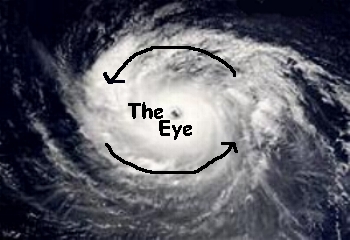
One of the deadliest storms to hit the United States, Hurricane Katrina, in 2005, caused large-scale damage to life and property alike.
"We lost everything. Katrina didn't care if you were poor or rich; all the houses look the same now".
-- Mississippi resident Penny Dean (Quoted in People Magazine)

Here are some facts about Hurricane Katrina, the massive hurricane that devastated Louisiana in 2005.

You probably know a hurricane is a large, powerful storm that can
cause a lot of rain and wind. Everyone pays attention to hurricanes
because they can be dangerous. Some hurricanes come and go and really
don't cause much more trouble than a bad thunderstorm. Others may damage
homes and cause some flooding that goes away on its own.
You might remember that Hurricane Katrina was unusually strong and caused many more problems than most hurricanes.
You might wonder if a big hurricane could happen where you live.
Hurricanes are always a concern, especially for people who live near a
coast. When a hurricane is on the way, weather forecasters can predict
which areas will be affected. Based on that, cities and states can tell
people to evacuate — to move out of the storm's way until it's over.
Knowing that a hurricane is coming can be helpful, even if you won't
be evacuating. Your family will want to have extra water, food, and
batteries for flashlights. Why? Because storms can knock down trees and
that can knock down power lines. Fixing the power so everyone has
electricity again can take a while after a hurricane.
Maybe you've heard people call a hurricane a "natural disaster," but
what does that mean? A natural disaster is when weather or nature causes
big problems, like a hurricane, a tornado, an earthquake, or a tsunami.
Depending on where a person lives, there's more risk of certain kinds
of natural disasters.
But wherever you live, it's important to remember that there are lots
of people looking out for you. In a bad storm or other crisis, this
would include not only moms and dads, but also police officers,
firefighters, doctors, nurses, and other people who are trained to
handle emergencies.
Reviewed by: Steven Dowshen, MD
POSTCARDS AND BITS OF NEWS FROM NEW ORLEANS FROM BUSTER!
http://pbskids.org/buster/blog/la_orleanslid_bl.html
One of the deadliest storms to hit the United States, Hurricane Katrina, in 2005, caused large-scale damage to life and property alike.
"We lost everything. Katrina didn't care if you were poor or rich; all the houses look the same now".
-- Mississippi resident Penny Dean (Quoted in People Magazine)
Here are some facts about Hurricane Katrina, the massive hurricane that devastated Louisiana in 2005.
- Hurricane Katrina was one of the 5 worst storms in US history, and
the worst hurricane of the 2005 season. It was also the country’s most
expensive natural disaster. - The hurricane formed over the Bahamas and gained strength in the
Gulf of Mexico. It affected the states along the gulf, from Florida to
Texas, but most notably Louisiana, before continuing up the east coast. - Hurricane Katrina actually made landfall twice, once in Florida and
once in Louisiana on August 2, 2005. In total, it affected an area of
about 90,000 square miles. - Hurricane Katrina was the strongest hurricane recorded in the Gulf
region, at that time. At one point, the winds were measured at close to
175 mph. - Over 1,800 people died as a result of the storm. Hundreds of other people were forced to move to other cities.
- Hurricane Katrina directly caused massive amounts of property damage
to the state of Mississippi, whereas Louisiana was devastated by flood
waters as its levee system failed. This took place after the storm had
moved further inland. - New Orleans was one of the areas most affected, with about 80
percent of the city flooded, and 900,000 people without electricity. The
cost of the hurricane in Louisiana and Mississippi was more than $150
billion. - The storm surge from Hurricane Katrina was so great that it reached 12 miles inland.
- The storm also caused a lot of debris to be piled up. If all the
debris was stacked together in an area the size of a football field, it
would make a pile 10 miles high. - In preparation for the hurricane, the first ever mandatory
evacuation of New Orleans was ordered. About 26,000 residents sheltered
in the huge Louisiana Superdome, where they were given food and water. - After the hurricane hit, over 60 countries around the world promised money to help with rebuilding. The biggest contribution came from Kuwait, which pledged $500 million.
Hurricanes Are Powerful
You probably know a hurricane is a large, powerful storm that can
cause a lot of rain and wind. Everyone pays attention to hurricanes
because they can be dangerous. Some hurricanes come and go and really
don't cause much more trouble than a bad thunderstorm. Others may damage
homes and cause some flooding that goes away on its own.
You might remember that Hurricane Katrina was unusually strong and caused many more problems than most hurricanes.
Could It Happen to Me?
You might wonder if a big hurricane could happen where you live.
Hurricanes are always a concern, especially for people who live near a
coast. When a hurricane is on the way, weather forecasters can predict
which areas will be affected. Based on that, cities and states can tell
people to evacuate — to move out of the storm's way until it's over.
Knowing that a hurricane is coming can be helpful, even if you won't
be evacuating. Your family will want to have extra water, food, and
batteries for flashlights. Why? Because storms can knock down trees and
that can knock down power lines. Fixing the power so everyone has
electricity again can take a while after a hurricane.
A Hurricane Is a "Natural Disaster"
Maybe you've heard people call a hurricane a "natural disaster," but
what does that mean? A natural disaster is when weather or nature causes
big problems, like a hurricane, a tornado, an earthquake, or a tsunami.
Depending on where a person lives, there's more risk of certain kinds
of natural disasters.
But wherever you live, it's important to remember that there are lots
of people looking out for you. In a bad storm or other crisis, this
would include not only moms and dads, but also police officers,
firefighters, doctors, nurses, and other people who are trained to
handle emergencies.
Reviewed by: Steven Dowshen, MD
POSTCARDS AND BITS OF NEWS FROM NEW ORLEANS FROM BUSTER!
http://pbskids.org/buster/blog/la_orleanslid_bl.html